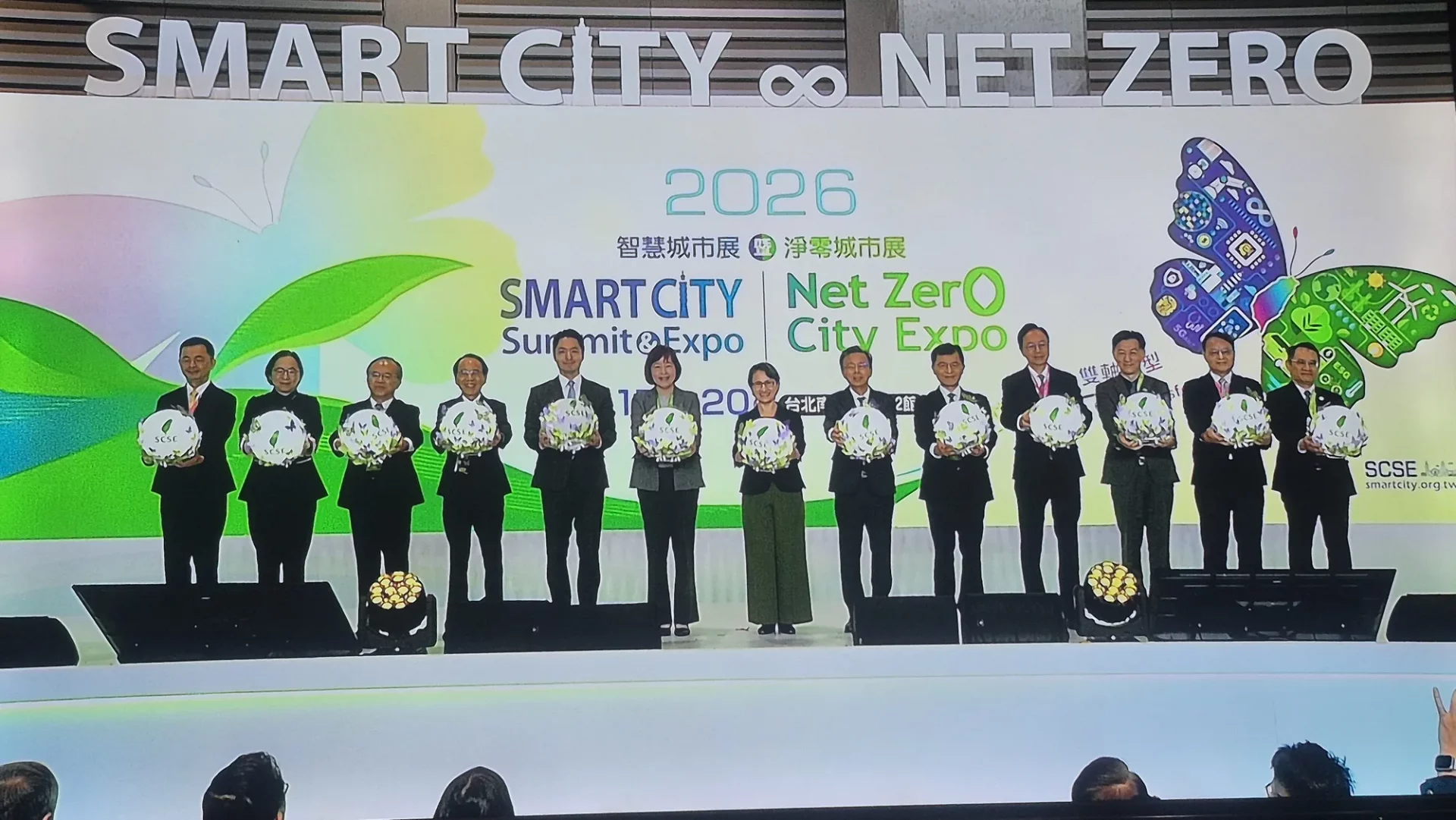
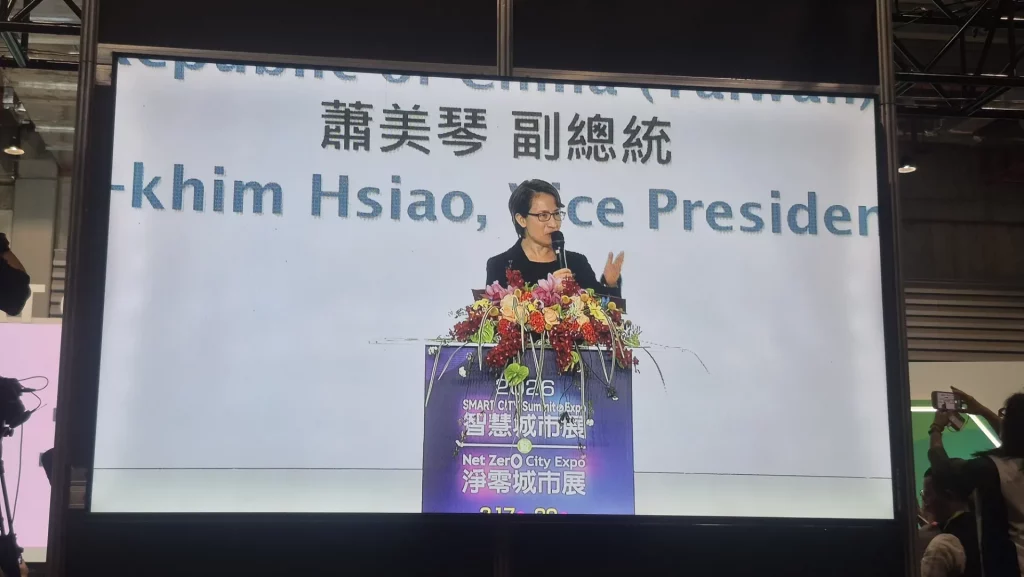
2026 Smart City Summit & Expo and Net Zero City Expo showcases not only just AI, but also lots of new green tech and collab effort between companies
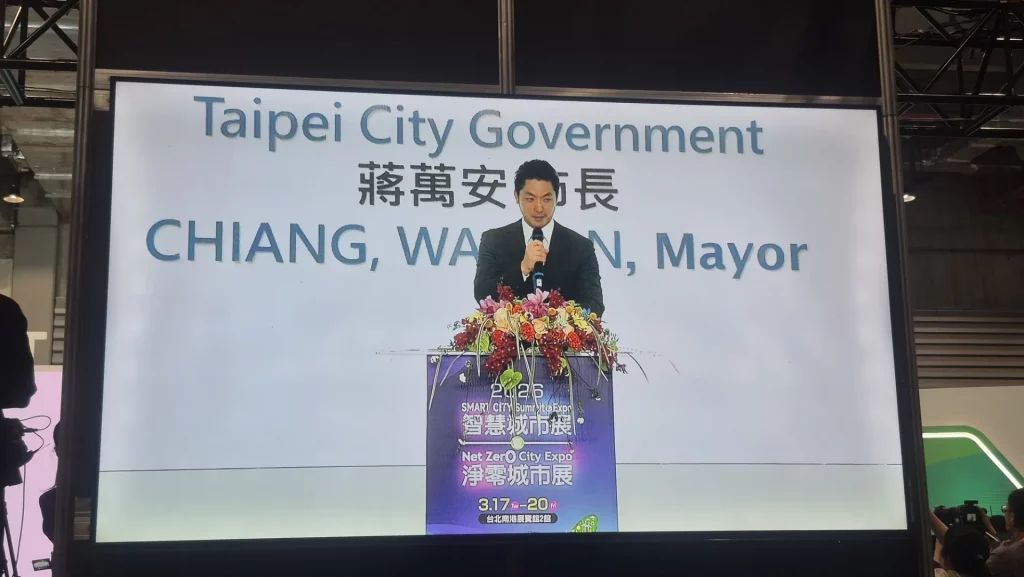
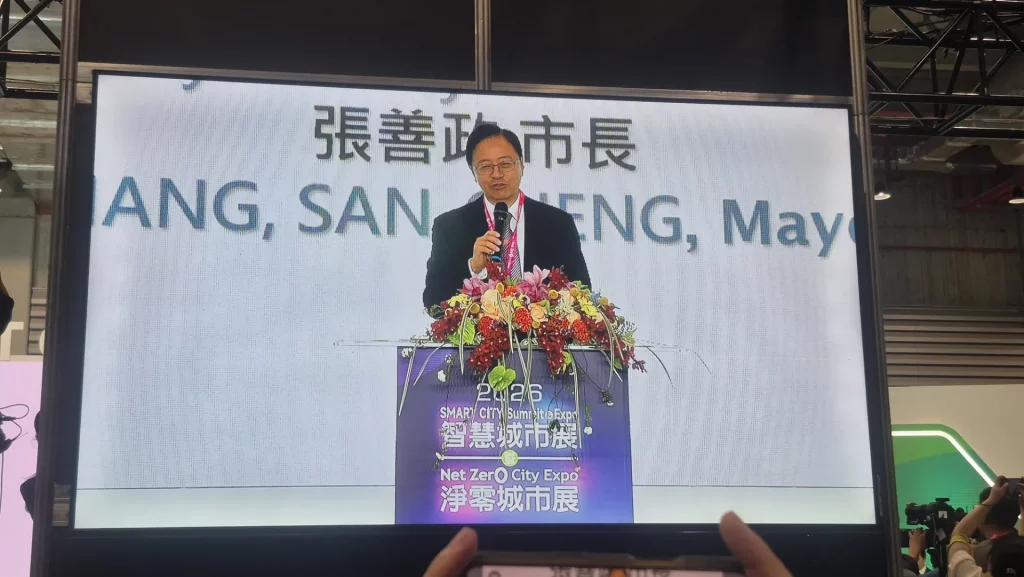
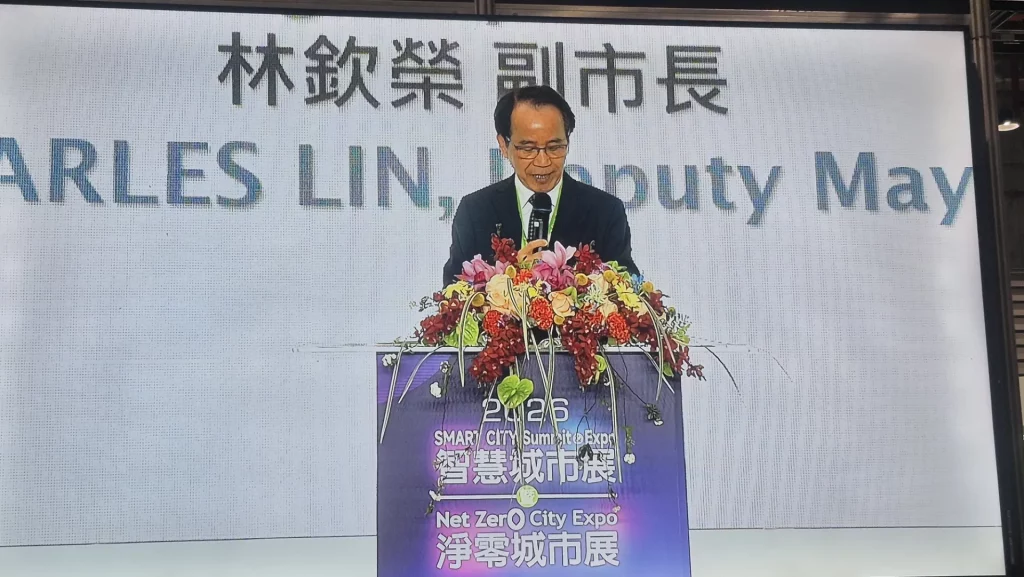
With this year's Smart City Summit & Expo and Net Zero City Expo beginning on March 17, over at the Taipei Nangang Exhibition Center, aside from various companies and partners from the private sector, the Taiwanese government plays an important role in making sure that smart cities are applicable and scalable, as w
With this year's Smart City Summit & Expo and Net Zero City Expo beginning on March 17, over at the Taipei Nangang Exhibition Center, aside from various companies and partners from the private sector, the Taiwanese government plays an important role in making sure that smart cities are applicable and scalable, as well as being more efficient and sustainable down the road.
This year's collaboration scale went all out, with 7 major government bodies all teaming up with 13 local governments, showcasing how policy planning can lead to actual real-world deployment through the "New 10 AI Project" strategy.
Diving into the exhibits, the Ministry of the Interior is pushing a “Resilient Territory, Sustainable Home” concept through its Net Zero Vision Pavilion, where it’s combining things like solar energy, building efficiency, and carbon sinks with private-sector solutions to show how cities can actually move toward low-carbon living.
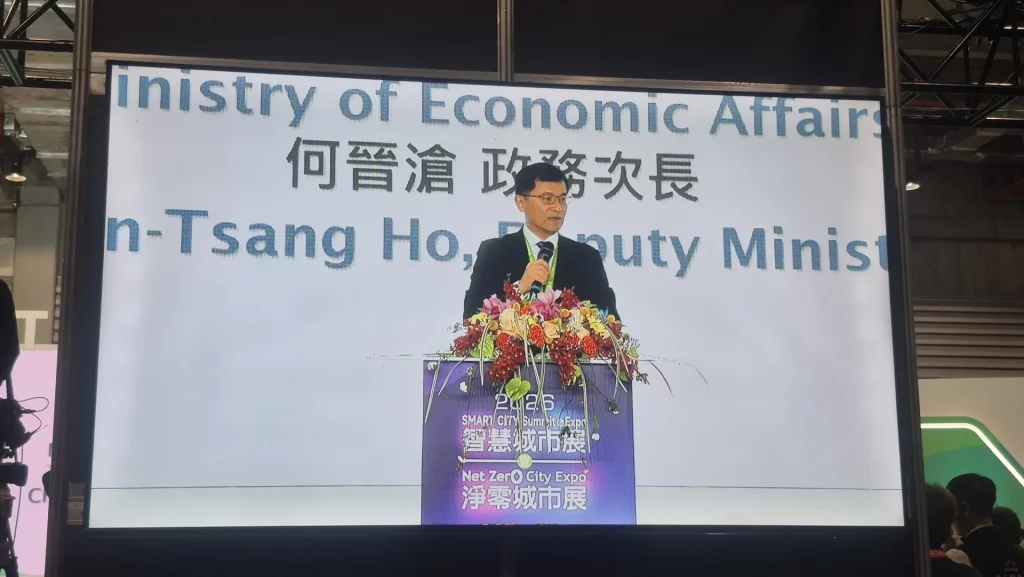
Meanwhile, the Ministry of Economic Affairs is taking a dual-track approach with its “Economy Next” theme, splitting focus between AI and net-zero, covering everything from renewable energy systems and low-carbon supply chains to more cutting-edge stuff like silicon photonics, quantum computing, and AI robotics.
On the mobility side, the Ministry of Transportation and Communications is highlighting what it calls “safe, low-carbon, smart mobility,” tying together land, sea, air, and rail systems using AI, digital twins, and 5G, while also showcasing hydrogen-powered buses and electrification efforts, and at the same time, its tourism segment is getting pretty creative with AI-powered experiences like translated guides, virtual cycling, and even interactive elements based on Eastern philosophies, which makes the whole thing feel less like a traditional expo and more like a hands-on tech playground.
And then you’ve got the science backbone from the National Science and Technology Council and Academia Sinica, which are showcasing everything from satellite sensing and climate data to hydrogen, geothermal, and marine energy research, making it clear that this isn’t just policy talk - there’s serious R&D muscle behind it.
On the other hand, the Ministry of Environment is leaning heavily into AI-driven governance, showing off tools like robotic dogs, unmanned vessels, and smart monitoring systems to improve environmental protection workflows, while also pushing everyday sustainability ideas like food waste reduction and heat mitigation tools.
Over at the digital innovation front, the Administration for Digital Industries is spotlighting real-world applications - from AI medical voice recording to smart agriculture and multilingual AI systems - alongside award-winning projects from APICTA, reinforcing Taiwan’s push to stay competitive globally.
At a bigger-picture level, the National Development Council is essentially tying everything together by mapping out how Taiwan plans to hit its 2050 net-zero goals across energy, industry, and society, while also pushing AI adoption across sectors like manufacturing and healthcare, with some pretty ambitious targets like generating over NT$15 trillion in output and creating 500,000 high-paying jobs by 2040.
All in all, Taiwan is laying out a blueprint for its future, where AI, sustainability, and industrial transformation are all tightly connected, and as global pressure around climate change and digitalization ramps up, this kind of cross-domain, tech-driven approach is how it positions itself as a smart technology hub in the years ahead.
Google is adding shopping-focused responses to Gemini in Singapore, including product listings, review summaries, comparison tables, pricing and stock checks.
ASUS is positioning Agent Computer systems around local, hybrid and cloud AI, with ROG NUC and Ascent GX10 hardware supporting private, always-on agent workflows.
 Diving into the exhibits, the Ministry of the Interior is pushing a “Resilient Territory, Sustainable Home” concept through its Net Zero Vision Pavilion, where it’s combining things like solar energy, building efficiency, and carbon sinks with private-sector solutions to show how cities can actually move toward low-carbon living.
Meanwhile, the Ministry of Economic Affairs is taking a dual-track approach with its “Economy Next” theme, splitting focus between AI and net-zero, covering everything from renewable energy systems and low-carbon supply chains to more cutting-edge stuff like silicon photonics, quantum computing, and AI robotics.
Diving into the exhibits, the Ministry of the Interior is pushing a “Resilient Territory, Sustainable Home” concept through its Net Zero Vision Pavilion, where it’s combining things like solar energy, building efficiency, and carbon sinks with private-sector solutions to show how cities can actually move toward low-carbon living.
Meanwhile, the Ministry of Economic Affairs is taking a dual-track approach with its “Economy Next” theme, splitting focus between AI and net-zero, covering everything from renewable energy systems and low-carbon supply chains to more cutting-edge stuff like silicon photonics, quantum computing, and AI robotics.
 On the mobility side, the Ministry of Transportation and Communications is highlighting what it calls “safe, low-carbon, smart mobility,” tying together land, sea, air, and rail systems using AI, digital twins, and 5G, while also showcasing hydrogen-powered buses and electrification efforts, and at the same time, its tourism segment is getting pretty creative with AI-powered experiences like translated guides, virtual cycling, and even interactive elements based on Eastern philosophies, which makes the whole thing feel less like a traditional expo and more like a hands-on tech playground.
 And then you’ve got the science backbone from the National Science and Technology Council and Academia Sinica, which are showcasing everything from satellite sensing and climate data to hydrogen, geothermal, and marine energy research, making it clear that this isn’t just policy talk - there’s serious R&D muscle behind it.
 On the other hand, the Ministry of Environment is leaning heavily into AI-driven governance, showing off tools like robotic dogs, unmanned vessels, and smart monitoring systems to improve environmental protection workflows, while also pushing everyday sustainability ideas like food waste reduction and heat mitigation tools.
Over at the digital innovation front, the Administration for Digital Industries is spotlighting real-world applications - from AI medical voice recording to smart agriculture and multilingual AI systems - alongside award-winning projects from APICTA, reinforcing Taiwan’s push to stay competitive globally.
On the other hand, the Ministry of Environment is leaning heavily into AI-driven governance, showing off tools like robotic dogs, unmanned vessels, and smart monitoring systems to improve environmental protection workflows, while also pushing everyday sustainability ideas like food waste reduction and heat mitigation tools.
Over at the digital innovation front, the Administration for Digital Industries is spotlighting real-world applications - from AI medical voice recording to smart agriculture and multilingual AI systems - alongside award-winning projects from APICTA, reinforcing Taiwan’s push to stay competitive globally.
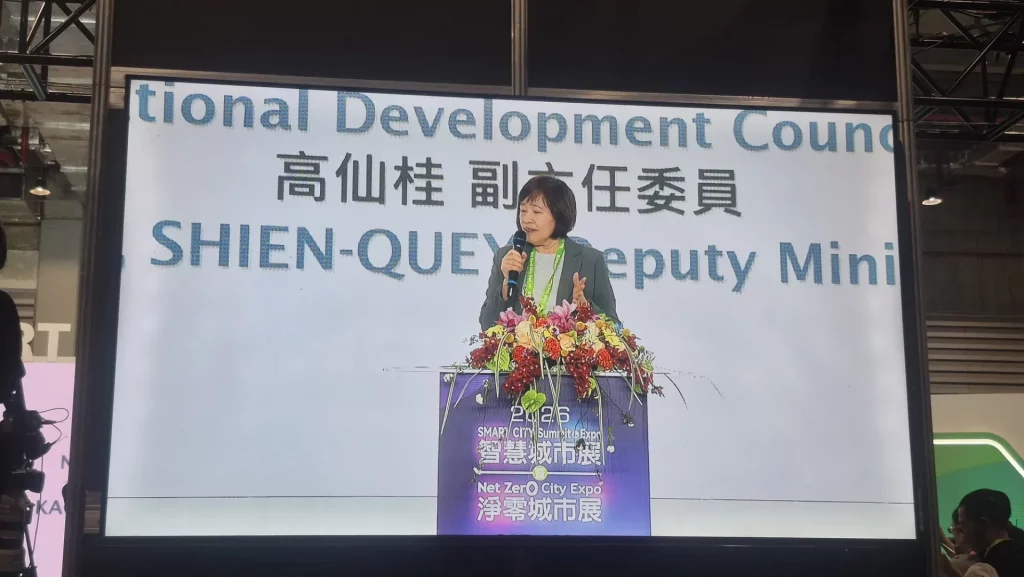 At a bigger-picture level, the National Development Council is essentially tying everything together by mapping out how Taiwan plans to hit its 2050 net-zero goals across energy, industry, and society, while also pushing AI adoption across sectors like manufacturing and healthcare, with some pretty ambitious targets like generating over NT$15 trillion in output and creating 500,000 high-paying jobs by 2040.
 All in all, Taiwan is laying out a blueprint for its future, where AI, sustainability, and industrial transformation are all tightly connected, and as global pressure around climate change and digitalization ramps up, this kind of cross-domain, tech-driven approach is how it positions itself as a smart technology hub in the years ahead.