Kaspersky has launched Kaspersky AI Protect (KAIP) across Asia Pacific, positioning the security service as a way for enterprises to inspect large language model files and AI-agent components before introducing them into production environments.
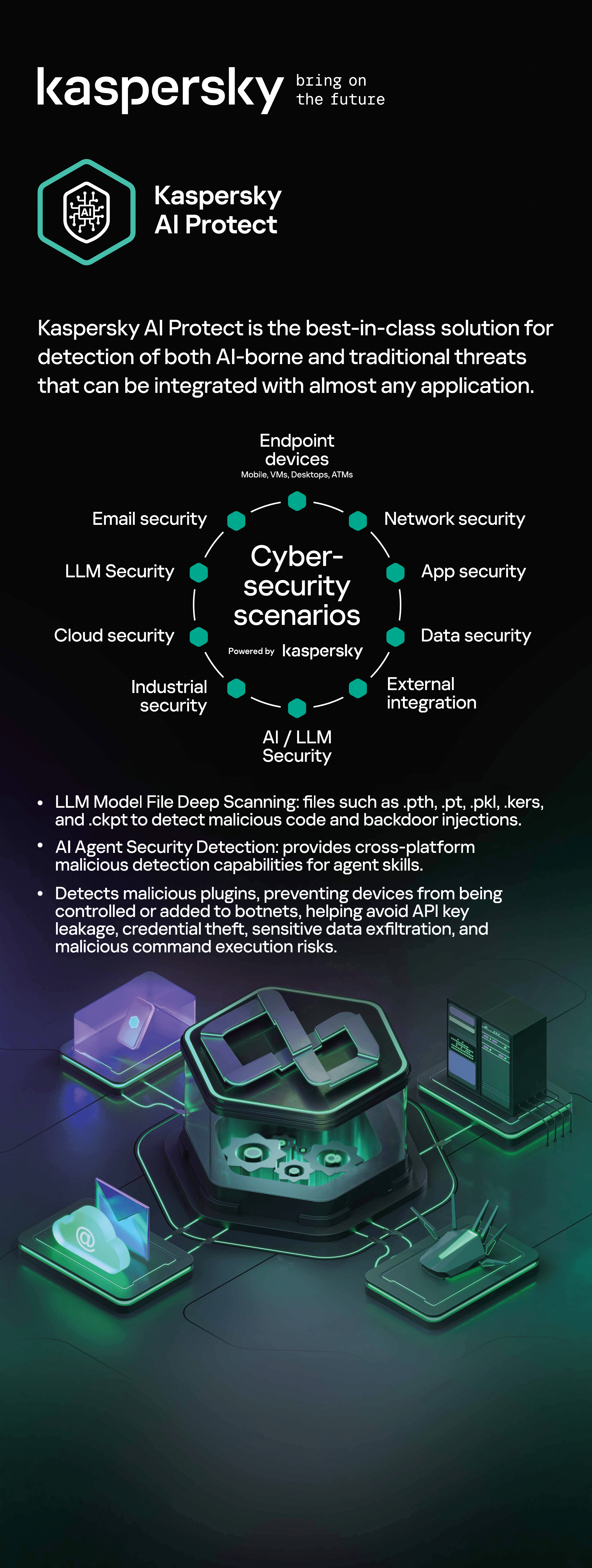
The product combines those AI-focused checks with conventional threat detection. Kaspersky says it can sit in front of applications and storage systems through HTTP or the Internet Content Adaptation Protocol (ICAP), allowing organisations to add scanning without replacing every application that handles the files.
Scanning model files and agent components
Enterprise AI systems increasingly depend on artefacts obtained from outside an organisation, including model weights, plug-ins and scripts used by agents. That creates a software-supply-chain problem alongside familiar risks such as malicious documents and executables.
According to Kaspersky, KAIP is designed to inspect LLM files and AI agents for malicious functionality. The company specifically cites poisoned model files, malicious agents and skill scripts as threats that conventional endpoint and network-perimeter products may not recognise as AI-specific entry points.
The announcement does not disclose which model formats, agent frameworks or skill-packaging standards are supported, nor does it provide independent detection benchmarks or false-positive results. Prospective customers will therefore need to validate coverage against their own AI stack and assess how the scanner handles proprietary or frequently changing model artefacts.
HTTP and ICAP integration for existing systems
Kaspersky says KAIP can be integrated with web portals and applications, proxy servers, network-attached storage and mail gateways. HTTP and ICAP support should make the service familiar to security teams that already route uploaded or downloaded content through malware-scanning infrastructure.
Deployment options include a standalone service, a scalable cluster or a Docker container. KAIP is available for Linux and can be deployed to Docker Swarm, Kubernetes, Amazon Web Services' Elastic Kubernetes Service and comparable cloud environments. Kaspersky also plans to offer the technology through its Technology Alliance programme for integration into third-party hardware and software products.
Those options describe where the scanner can run, but the launch material does not specify pricing, performance limits, regional data-processing arrangements or general-availability dates for individual Asia-Pacific markets. Organisations evaluating the product should also establish how model files and prompts are handled, what telemetry leaves their environment, and how scan results connect to existing security operations workflows.
Kaspersky cites rising abuse of AI branding
Kaspersky linked the regional launch to growing enterprise AI adoption and increased criminal use of AI-related branding. The company says its systems recorded more than 92,000 malicious attacks disguised as AI services worldwide during the first half of 2026. That figure comes from Kaspersky's own threat data and should not be interpreted as an independently audited measure of every AI-related attack.
The company also claims Asia Pacific accounts for more than 60% of recorded cyberattacks worldwide, with manufacturing and IT services among the most targeted sectors. The supplied announcement does not define the underlying dataset, observation period or what qualifies as a recorded attack, so the percentage is best treated as Kaspersky's view of activity visible to its systems rather than a market-wide total.
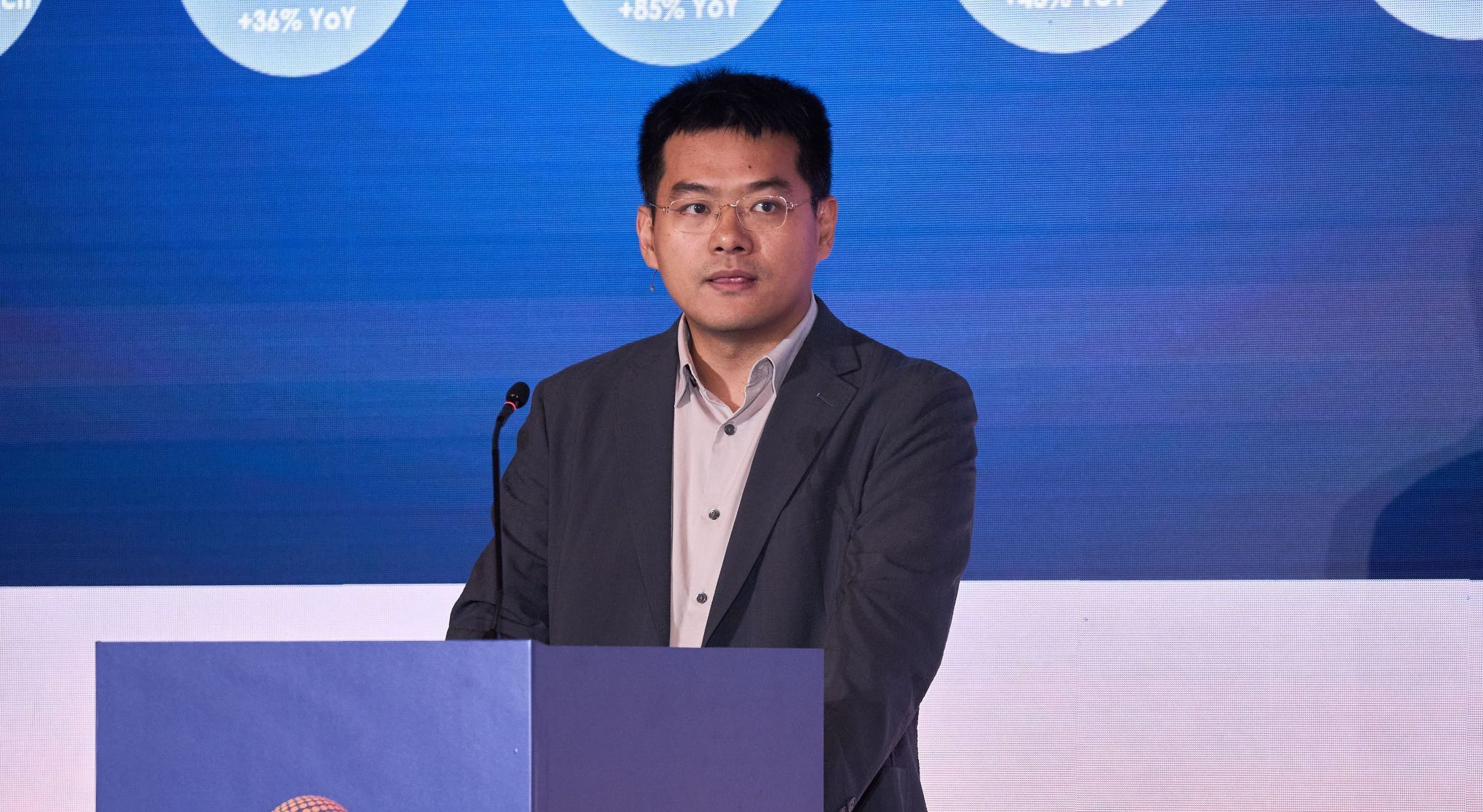
Adrian Hia, Kaspersky's managing director for Asia Pacific, said keeping an LLM on-premises does not by itself remove supply-chain risk because malicious code can enter through model weights, plug-ins and agent scripts sourced externally.
Simon Tung, Kaspersky's general manager for ASEAN and Asia Emerging Countries, said the product is intended to give enterprises visibility into AI infrastructure that existing controls may not inspect.
KAIP addresses a plausible gap as organisations move from hosted chatbots to locally operated models, retrieval-augmented generation systems and autonomous agents. Its practical value, however, will depend on format coverage, integration overhead and independently demonstrated detection quality. TTR has not tested or independently audited the product.
Source: Kaspersky announcement dated 2 October 2026, distributed by H/Advisors. Product capabilities and threat figures are Kaspersky claims.