Visa plans to let eligible Visa Direct clients in Asia Pacific use supported stablecoins to prefund cross-border payouts, while recipients continue receiving conventional fiat currency.
The capability is intended for businesses that already use Visa Direct for money movement. It changes how an eligible sender can fund a payout operation; it does not require the recipient to hold a stablecoin wallet or receive a digital asset.
Visa says the model can give clients more flexibility when managing liquidity across markets and time zones. Singapore-based digital-payments company dtcpay is piloting the Asia-Pacific implementation.
Stablecoins fund the payout, but the recipient gets fiat
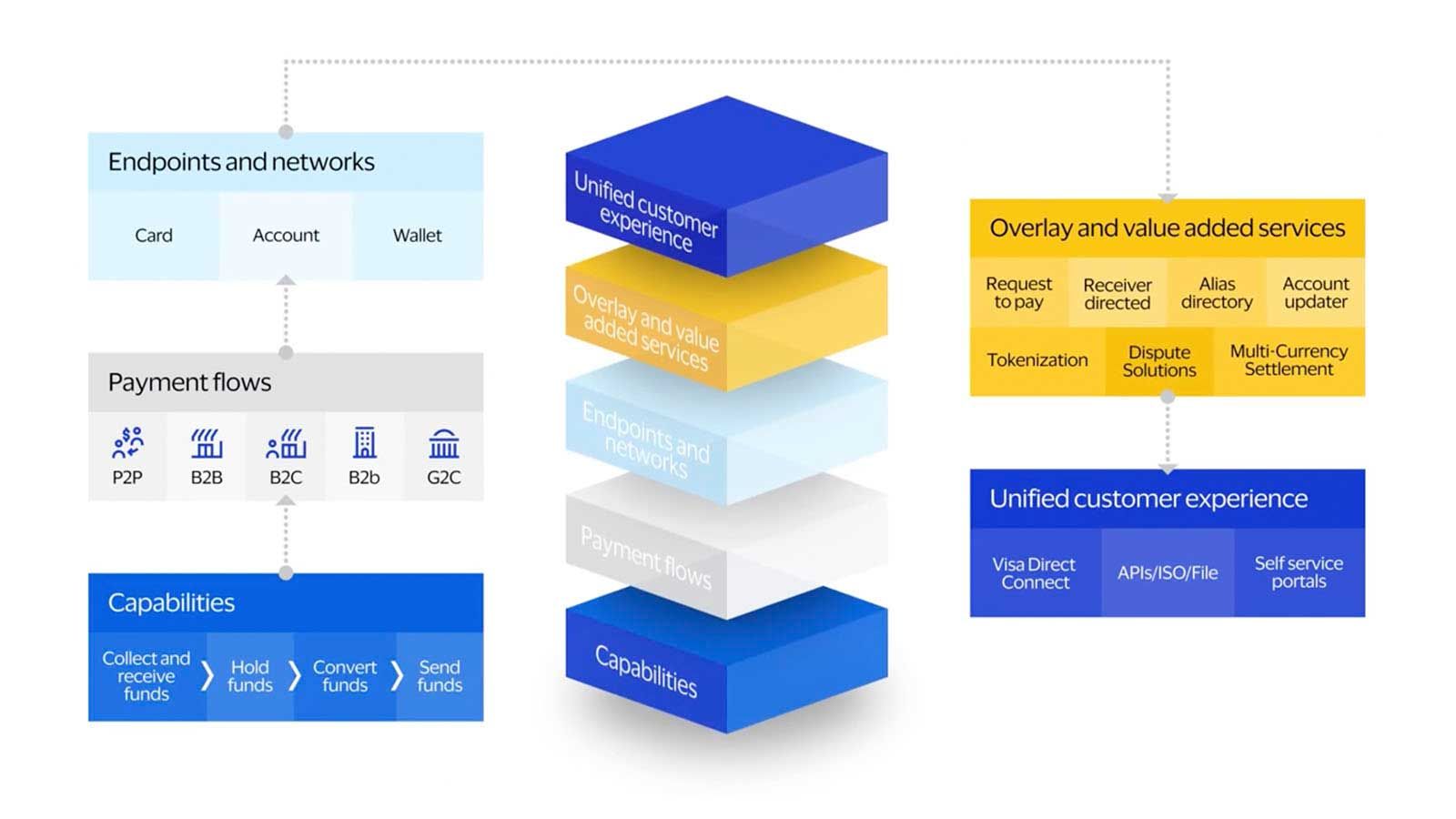
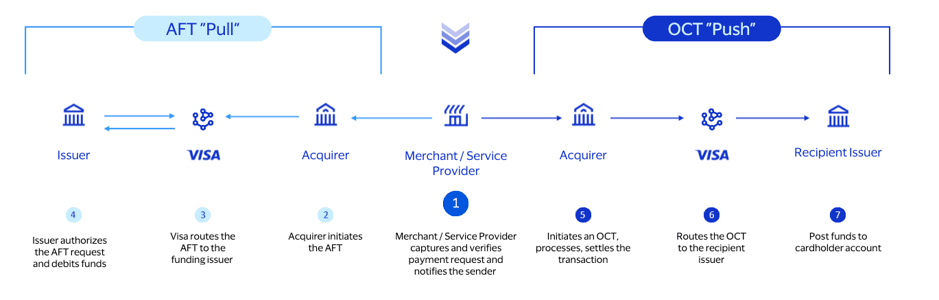
Under the planned flow, an eligible Visa Direct client uses a supported stablecoin to prefund its payout activity. Visa Direct then connects that funding to its existing money-movement network, which Visa says reaches more than 18 billion cards, accounts and wallets globally.
The distinction between funding and delivery matters. The stablecoin is used on the client side of the transaction, while the recipient receives local or other supported fiat currency through the usual payout route. That arrangement is designed to let a business use digital assets for treasury or liquidity purposes without shifting the conversion and wallet burden to the person or business being paid.
Visa has not named every supported stablecoin, market, payout corridor or client category for the Asia-Pacific launch. Availability will vary by eligibility and geography, and organisations will need to work with Visa to confirm whether a particular use case is supported.
dtcpay will pilot the capability from Singapore
Visa is piloting the regional capability with dtcpay, a Singapore-based digital-payments company. The release says dtcpay will use supported stablecoins to prefund cross-border fiat payouts through Visa Direct.
Digital-asset infrastructure for the pilot is being provided independently. Visa states that it does not provide regulated digital-asset services; those services are supplied directly to the client by a licensed digital-asset partner. The announcement does not name that partner or provide a public start date, transaction volume target or list of supported payout markets.
For dtcpay and similar businesses, the potential benefit is treasury flexibility. Stablecoins can move continuously across blockchain networks, which may help a client position funds outside conventional banking cut-off times. The practical value will depend on conversion costs, settlement arrangements, network support, regulatory requirements and the speed at which stablecoin funding becomes available for fiat payouts.
Visa is extending work that began in 2025
Visa began testing stablecoin prefunding and payout use cases through Visa Direct in 2025. In October 2026, the company moved stablecoin-enabled prefunding into commercial production in the United States with Inyo Global. The Asia-Pacific plan extends that model to another region rather than introducing an entirely new payment network.
Visa presents the capability as a bridge between on-chain funding and the financial systems businesses already use. The network company expects clients to continue using Visa Direct’s payout endpoints and controls while choosing a different funding instrument for eligible flows.
What the announcement does not establish
The release does not provide pricing, foreign-exchange spreads, settlement-service levels, blockchain networks, stablecoin reserve requirements or comparative liquidity data. It also does not show whether stablecoin prefunding will be faster or cheaper than conventional funding for every corridor.
Stablecoins can reduce some timing constraints, but they introduce their own operational and regulatory dependencies. Clients must consider issuer and reserve risk, wallet custody, blockchain fees, compliance screening, off-ramp liquidity and the licensing status of each digital-asset provider.
The dtcpay pilot should therefore be treated as an operational test of how stablecoin funding connects to a large fiat payout network. The next useful evidence will be named production markets, supported assets and chains, transaction limits, commercial terms and measured settlement outcomes.
Source: Visa, “Visa Direct Advances Stablecoin-Powered Money Movement in Asia Pacific”, issued in Singapore on 18 November 2026. Network reach, capability descriptions and expected liquidity benefits are company claims; The Tech Revolutionist has not tested the pilot.